Innovations in regenerative agriculture, AI-powered data insights, biosolutions, and digital twins will lead the way.
The agricultural sector is evolving at an unprecedented pace, driven by rapid technological advancements. As farmers face increasing demands for higher yields, sustainability, and efficiency, cutting-edge innovations are reshaping how we grow food. Here are the top five AgTech innovations set to revolutionize farming in 2025.
1. Precision Agriculture and AI-Powered Analytics
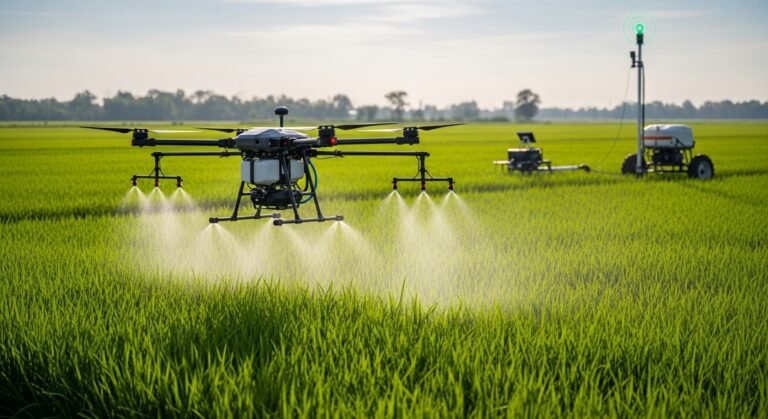
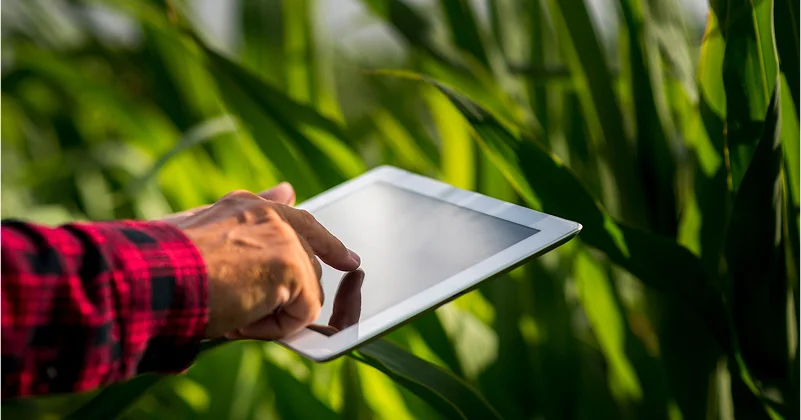
Precision agriculture uses data from sensors, drones, and satellites to optimize planting, irrigation, and fertilization. In 2025, AI-driven analytics will become more sophisticated, allowing farmers to predict crop health, detect early signs of disease or pest infestations, and make decisions with unprecedented accuracy. This data-driven approach reduces waste, increases yields, and improves sustainability.
2. Vertical and Indoor Farming
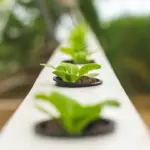
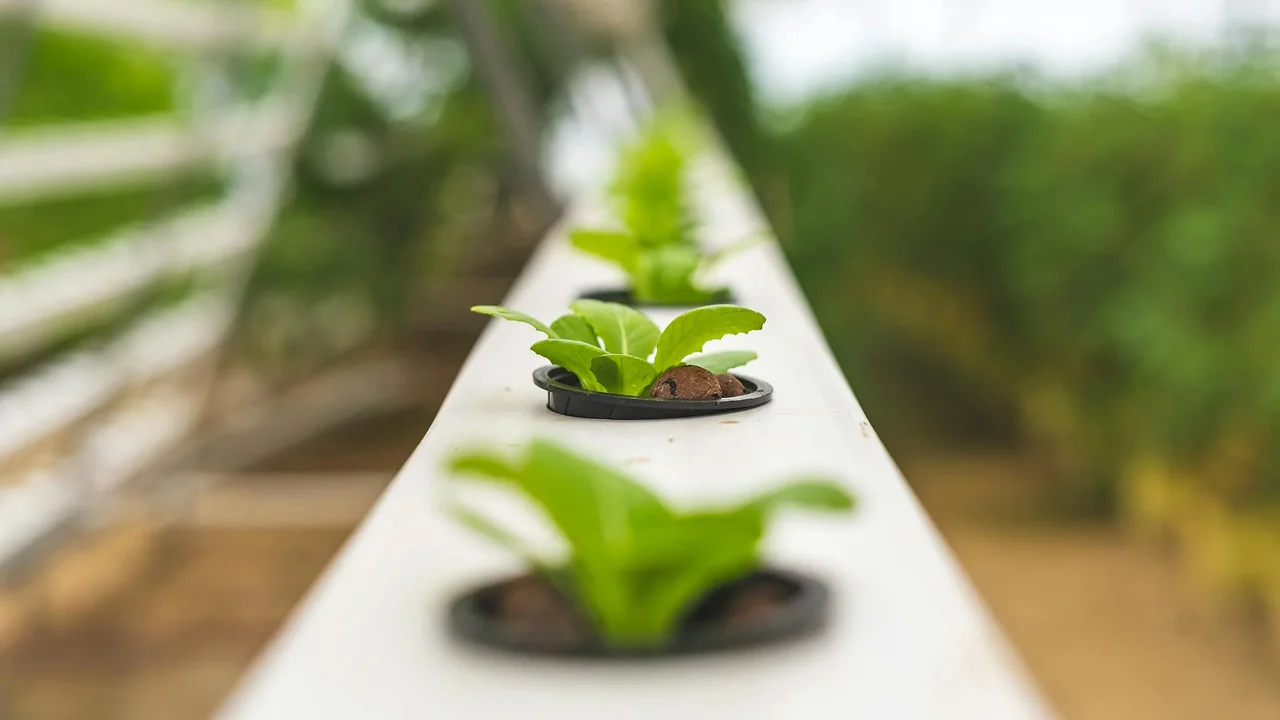
As arable land becomes scarce, vertical and indoor farming technologies are gaining traction. Controlled-environment agriculture (CEA) allows crops to grow year-round, regardless of weather conditions, using hydroponics, aeroponics, and LED lighting. These innovations reduce water consumption by up to 90% and minimize the need for pesticides, offering a sustainable alternative to traditional farming.
3. Autonomous Machinery and Robotics
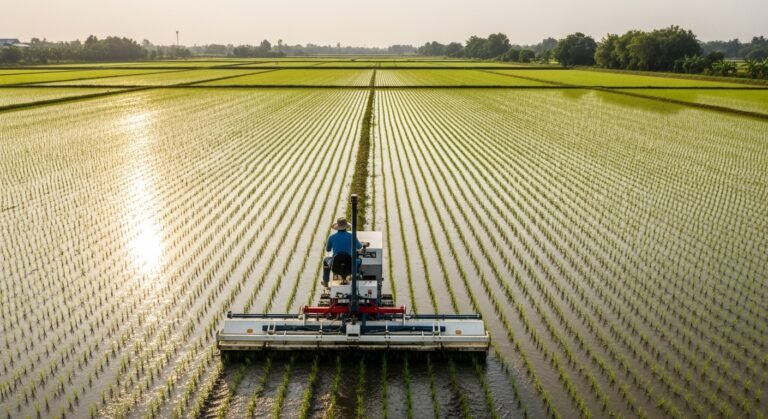
Self-driving tractors, robotic harvesters, and automated planters are transforming farm operations. These machines reduce labor costs, improve efficiency, and allow farmers to focus on strategic decision-making. By 2025, we expect fully autonomous farm machinery capable of handling complex tasks across large fields with minimal human supervision.
4. Biotech and Gene-Edited Crops
Advances in biotechnology are producing crops that are more resilient, nutritious, and environmentally friendly. Gene-editing techniques like CRISPR allow scientists to enhance crop resistance to pests, diseases, and extreme weather conditions. By 2025, biotech innovations will enable farmers to grow higher-yielding crops while reducing chemical inputs and environmental impact.
5. IoT and Smart Farm Management Systems
The Internet of Things (IoT) connects sensors, drones, machinery, and software platforms, creating an integrated smart farm ecosystem. Farmers can monitor soil health, weather conditions, irrigation systems, and livestock in real-time. In 2025, IoT-enabled systems will offer predictive maintenance for machinery, automated irrigation schedules, and real-time alerts, making farms more efficient and resilient.
Conclusion
The future of farming is digital, automated, and sustainable. By adopting these top AgTech innovations, farmers can increase productivity, reduce environmental impact, and meet the growing global demand for food. 2025 promises to be a landmark year in the transformation of agriculture, where technology and nature work together to cultivate a smarter, greener future.