By embracing sustainable practices, we’re not just focusing on present food requirements.
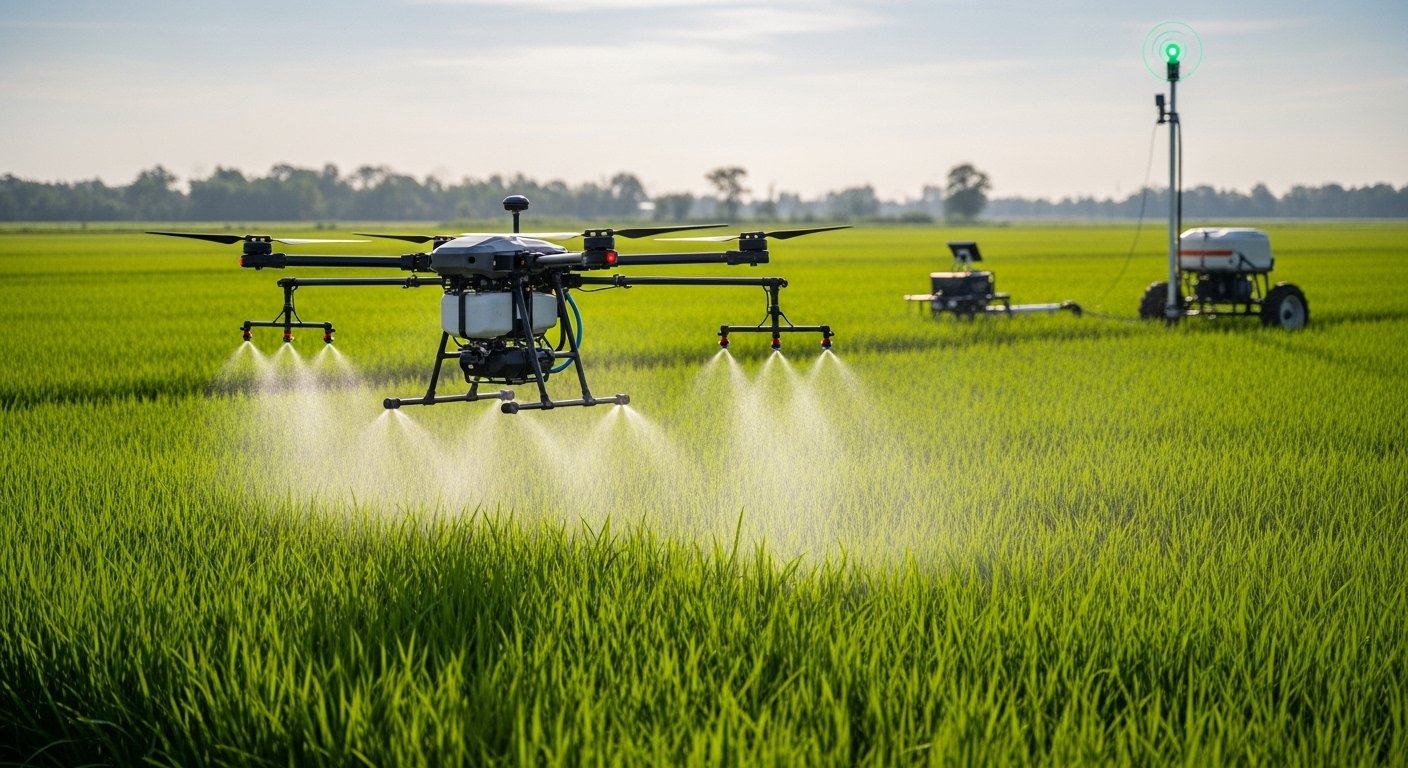
Revolutionizing Crop Protection with Drone Spraying
Modern agriculture is rapidly evolving, and one of the most exciting innovations transforming crop management is drone spraying. These unmanned aerial vehicles (UAVs) offer farmers a faster, more precise, and environmentally friendly way to apply fertilizers, pesticides, and herbicides.
What is Drone Spraying?
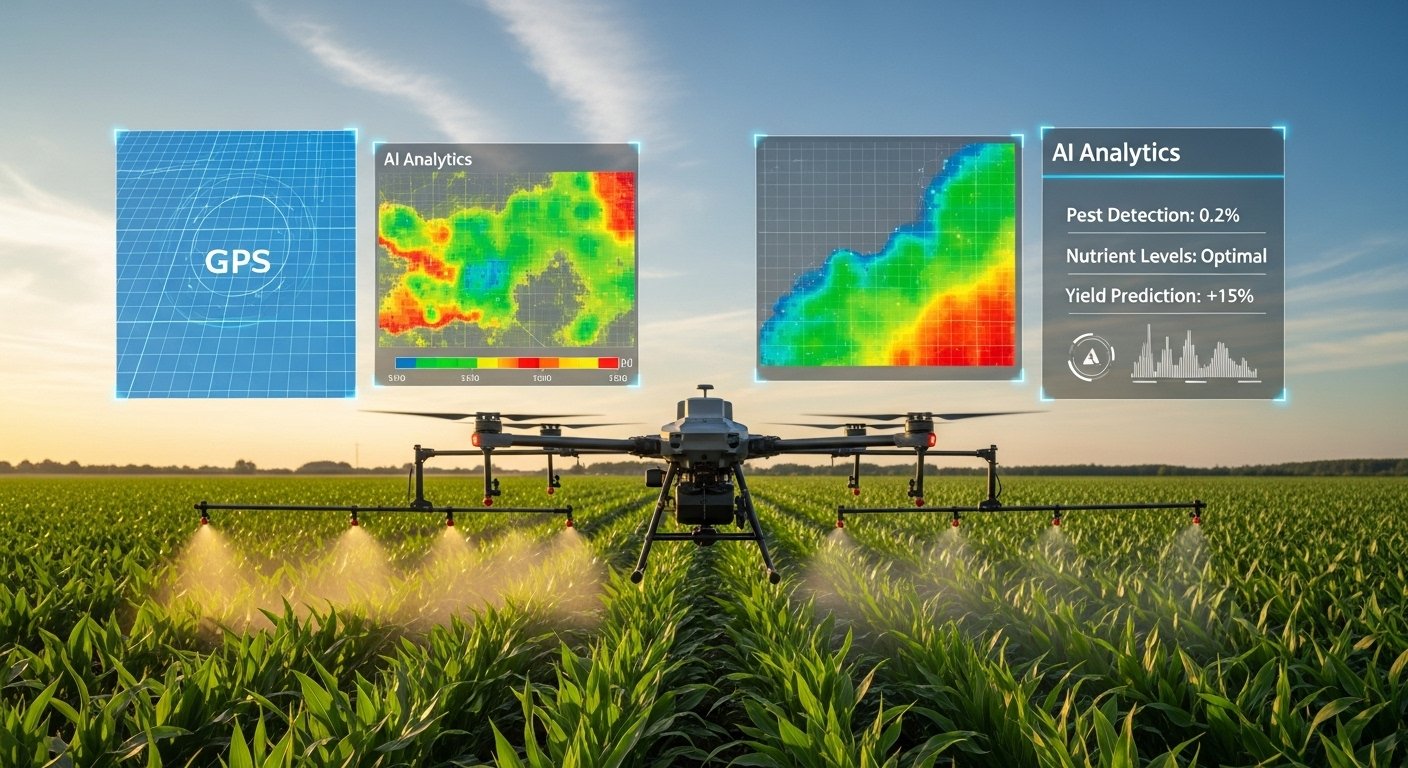
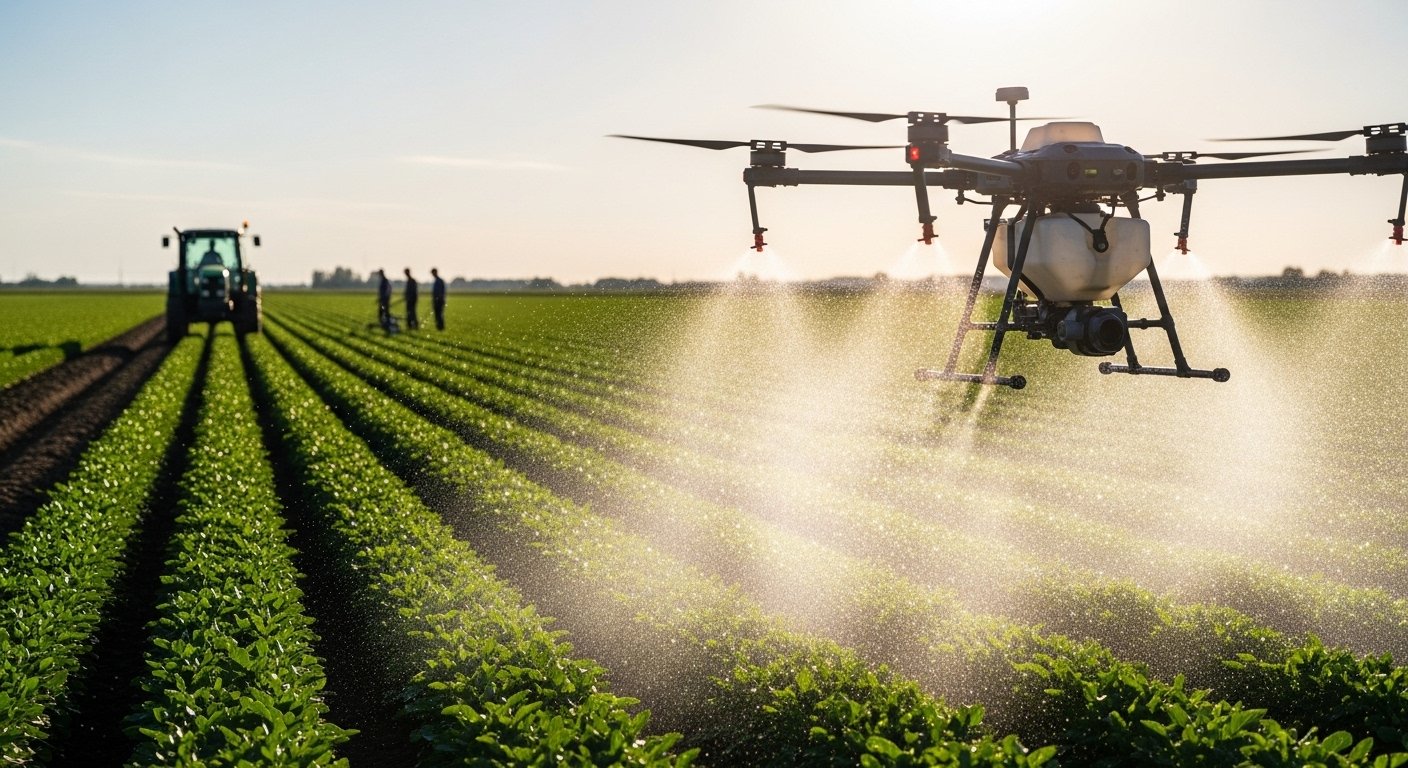
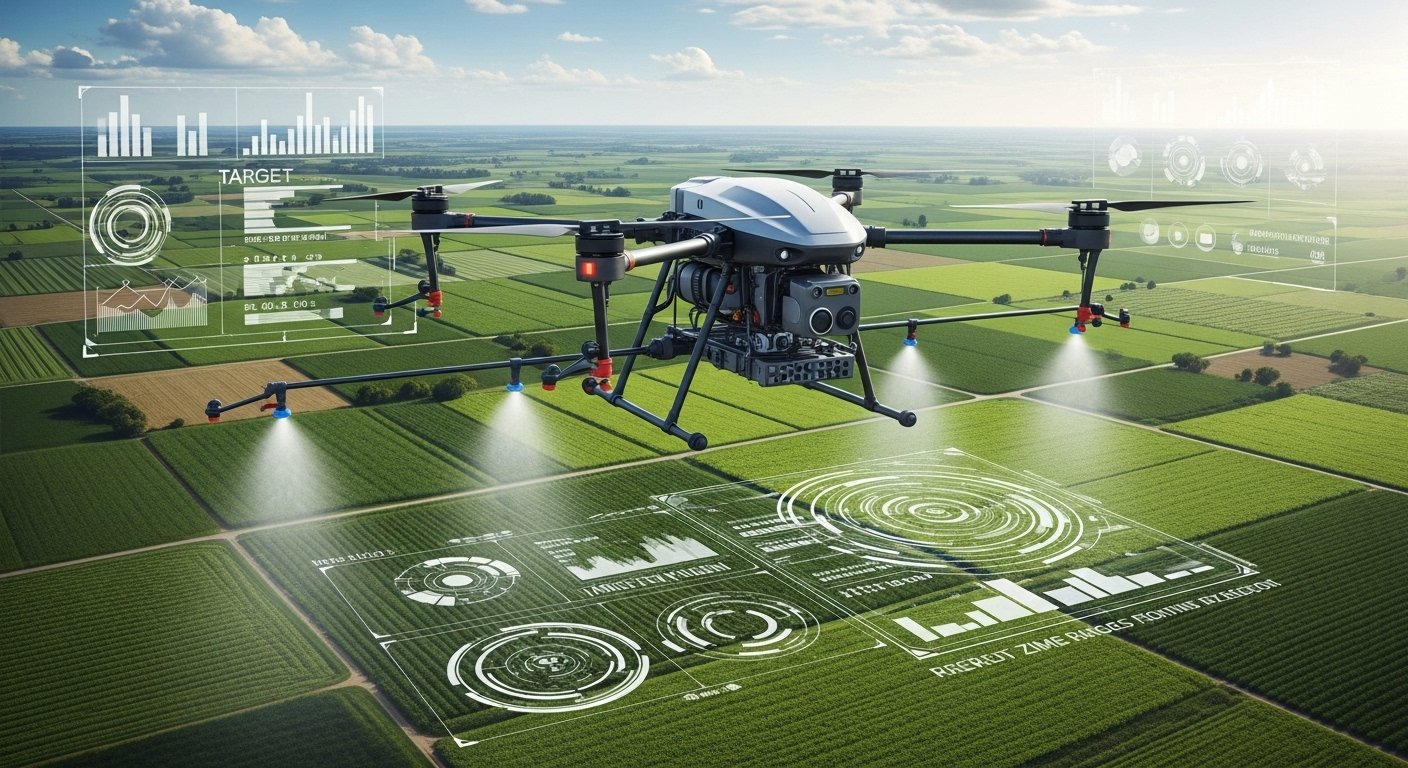
Drone spraying involves using UAVs equipped with tanks and nozzles to spray crops from above. Unlike traditional spraying methods with tractors or manual labor, drones can cover large areas efficiently, even in fields that are difficult to access. Advanced drones are equipped with GPS, sensors, and AI-powered mapping systems to ensure precise application.
Benefits of Drone Spraying
1. Precision Application
Drone spraying allows farmers to target specific areas of a field that need treatment. Using GPS mapping and real-time data, drones can apply the exact amount of input needed, reducing waste and preventing over-application. This precision improves crop health and productivity.
2. Time and Labor Efficiency
Spraying large fields manually or with traditional machinery can be time-consuming and labor-intensive. Drones can complete spraying tasks in a fraction of the time and require minimal human supervision, freeing farmers to focus on other critical tasks.
3. Reduced Chemical Use and Environmental Impact
Because drones apply inputs precisely, farmers can reduce the amount of pesticides, herbicides, and fertilizers used. This not only lowers production costs but also minimizes environmental contamination, protecting soil, water, and surrounding ecosystems.
4. Accessibility in Challenging Terrains
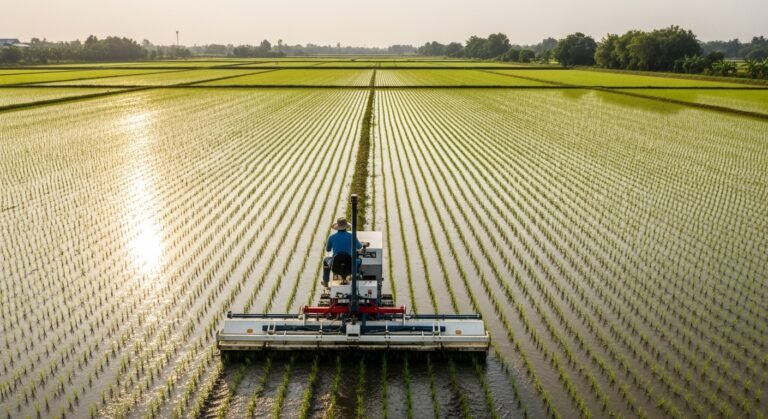
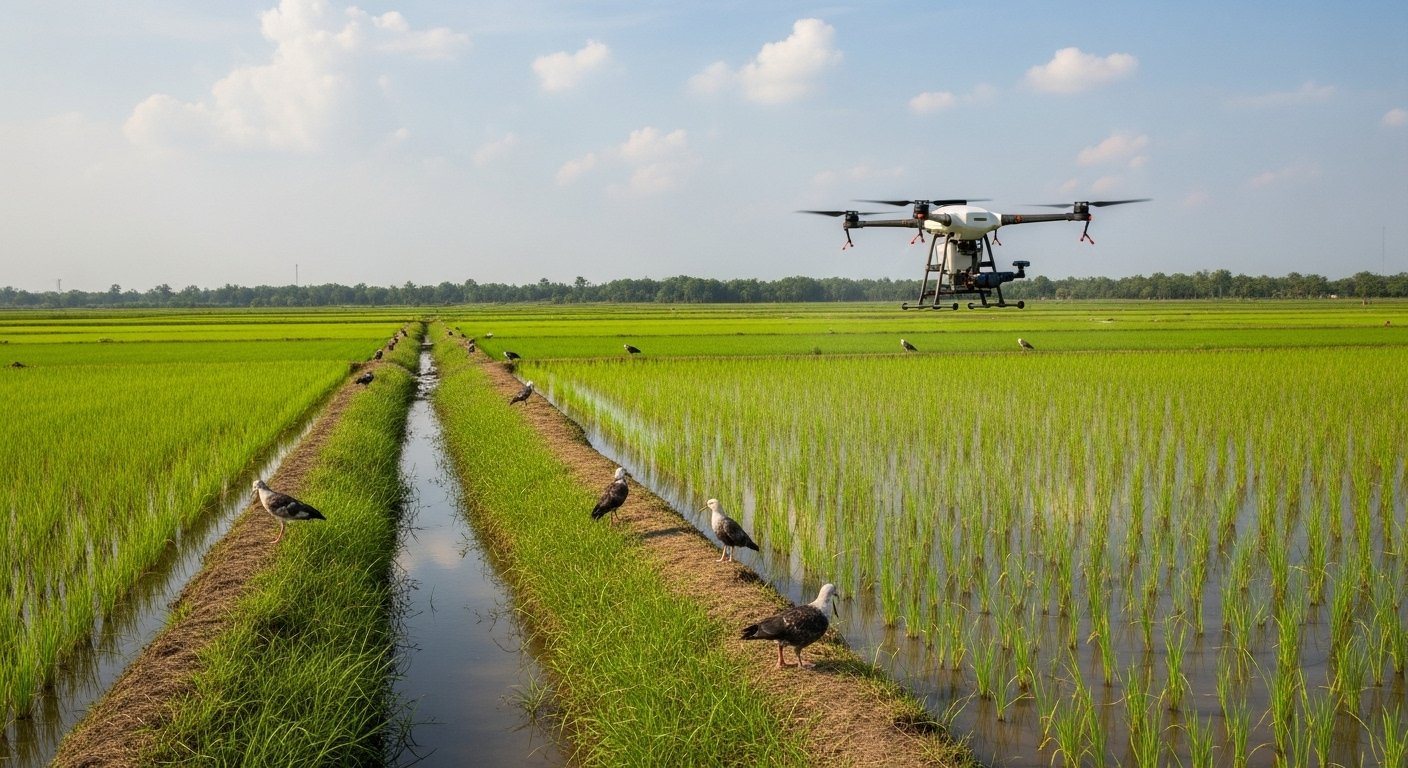
Drones can easily navigate uneven, waterlogged, or hilly fields where tractors and other machinery cannot operate efficiently. This makes them especially valuable for rice paddies, orchards, and remote agricultural plots.
5. Data Collection and Farm Management
Modern spraying drones often come with sensors and imaging capabilities. They can collect real-time data on crop health, soil conditions, and pest infestations, allowing farmers to make informed management decisions and monitor the effectiveness of interventions.
Conclusion
Drone spraying represents a major leap forward in precision agriculture. By combining speed, accuracy, and environmental responsibility, it enables farmers to improve crop protection, increase yields, and reduce costs. As technology continues to advance, drones are poised to become an essential tool in sustainable and efficient modern farming.