In 2025, that trend will continue, with niche innovations inching their way to becoming more mainstream practices.
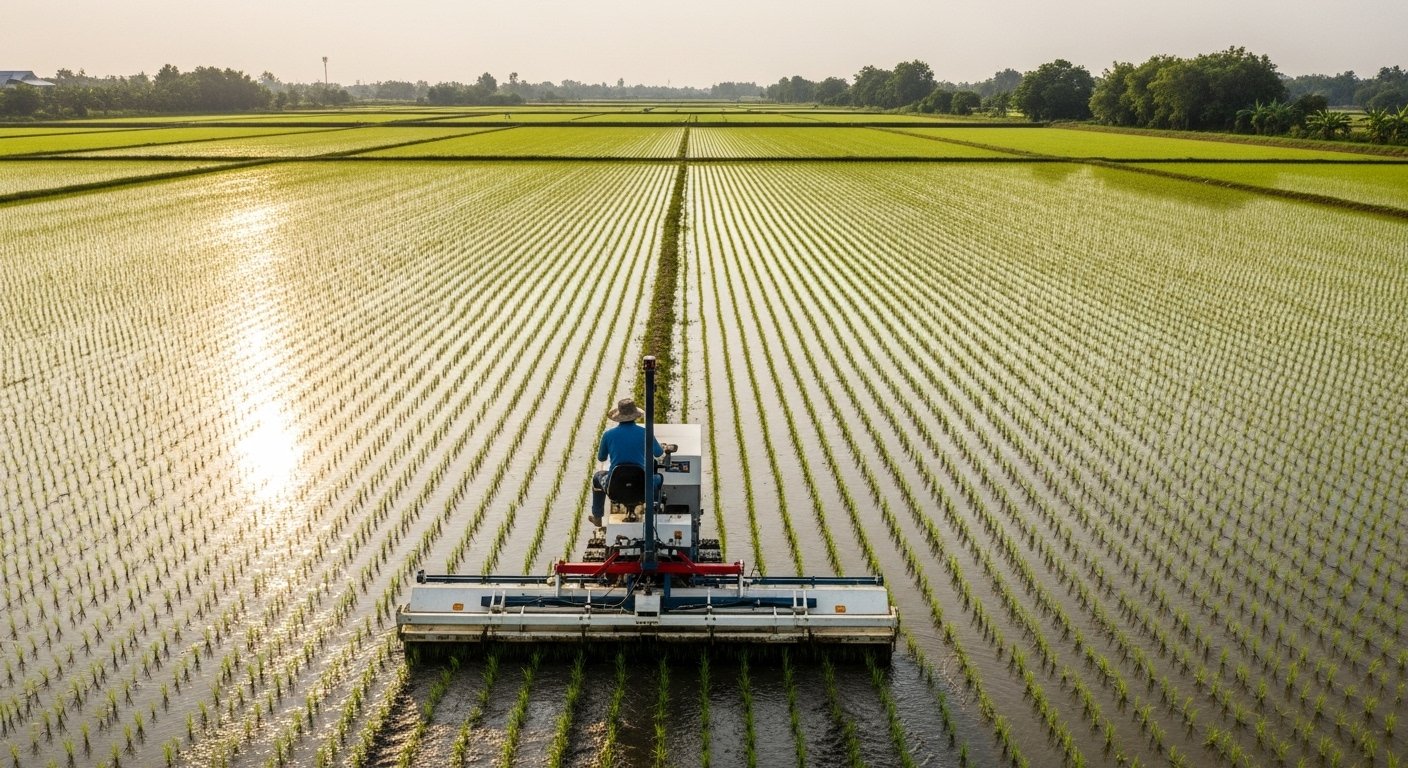
Unlocking Higher Yields: The Transformative Power of Laser Land Leveling in Rice Cultivation
Rice is one of the most important staple crops worldwide, feeding billions of people and supporting the livelihoods of millions of farmers. However, achieving high productivity in rice cultivation depends on proper water management, uniform crop growth, and efficient use of inputs. One innovative technique that is transforming rice farming is Laser Land Leveling (LLL).
What is Laser Land Leveling?
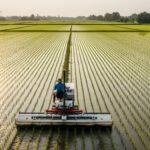
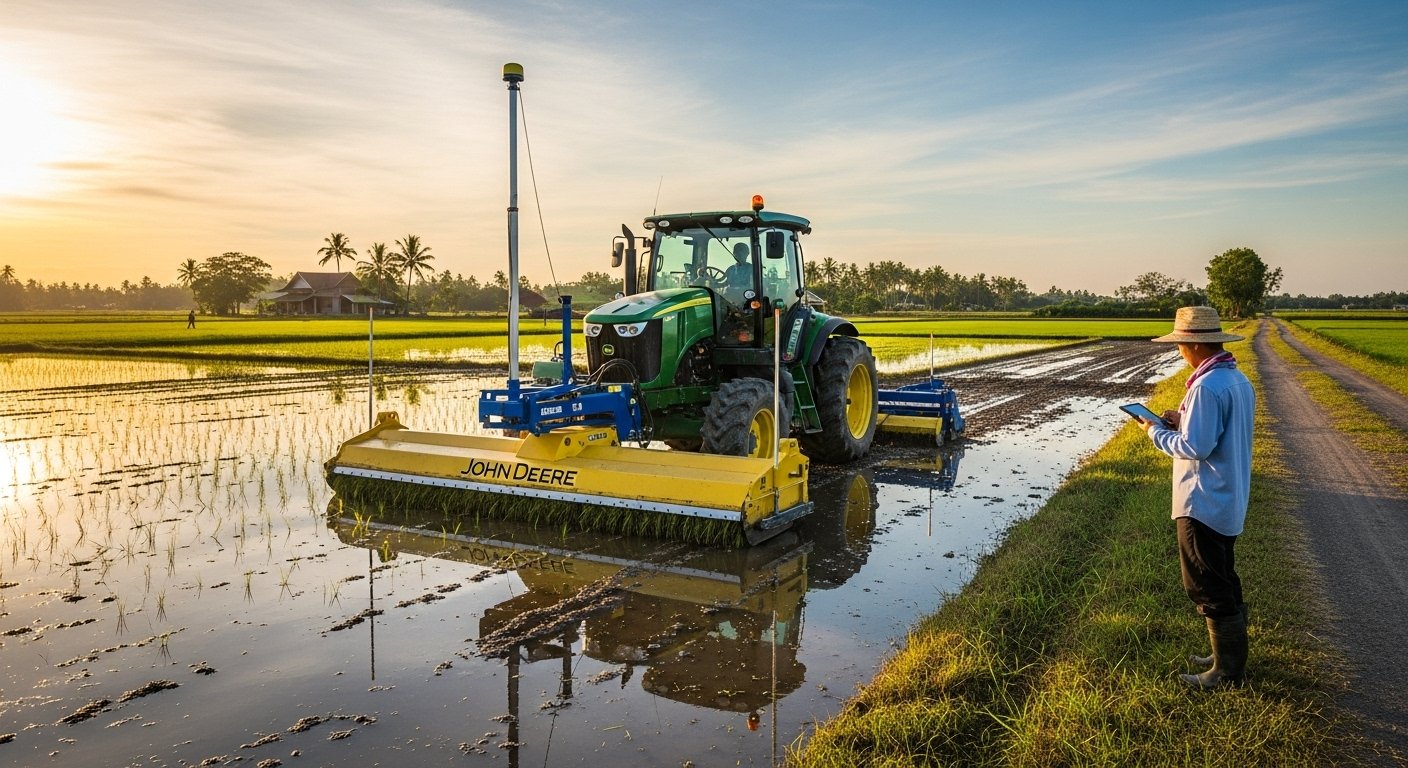
Laser Land Leveling is a precision farming technology that uses laser-guided equipment to create a perfectly leveled field. Unlike traditional leveling methods, which are labor-intensive and often uneven, LLL ensures that the land has a uniform slope, allowing water to flow evenly across the field.
Benefits of Laser Land Leveling
1. Efficient Water Management
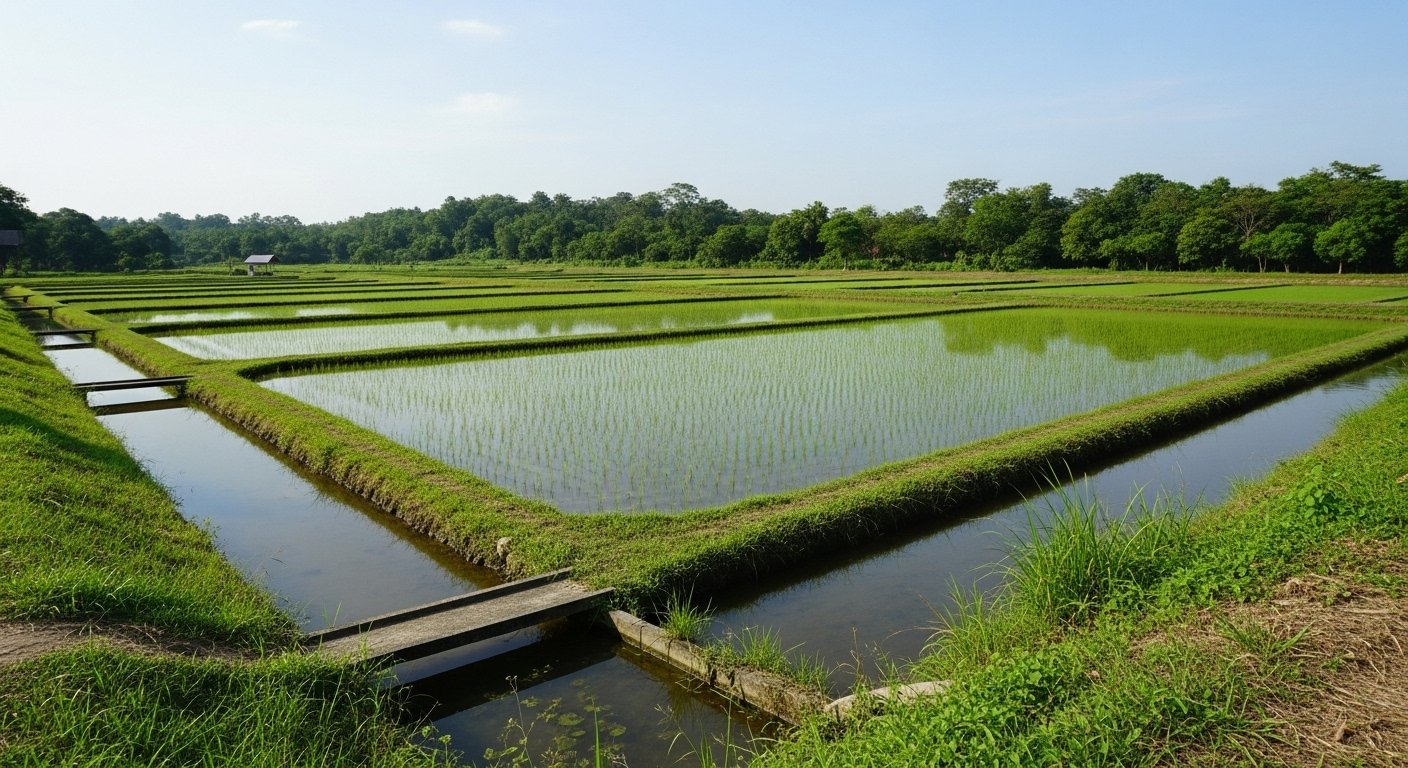
Rice is a water-intensive crop, and uneven fields often result in waterlogging in some areas and drought stress in others. LLL allows water to spread uniformly, reducing wastage and ensuring that every part of the field receives adequate moisture. This not only conserves water but also improves crop health.
2. Increased Yield
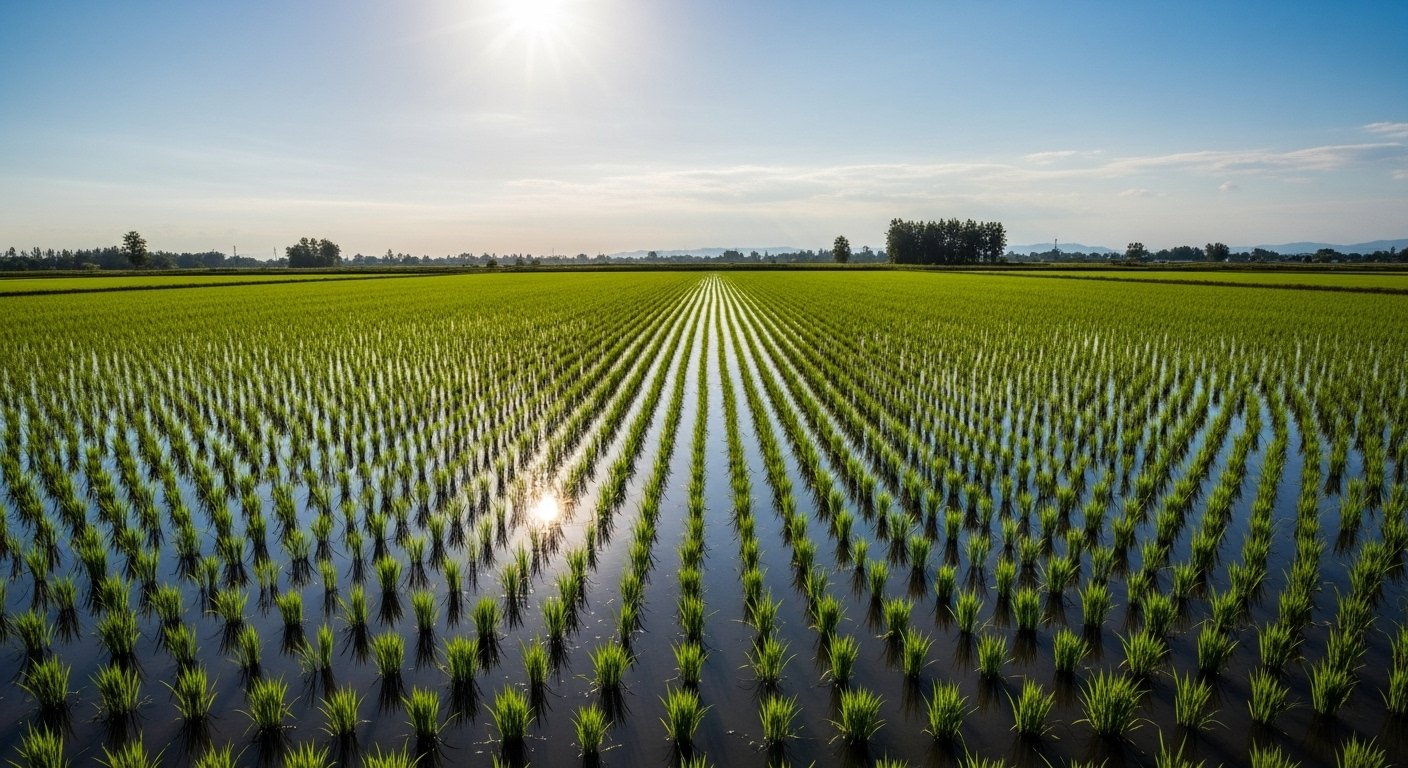
Uniform water distribution and proper field leveling lead to consistent crop growth, which directly contributes to higher yields. Studies have shown that LLL can increase rice productivity by 10–20% compared to traditionally leveled fields.
3. Reduced Input Costs
Laser-leveled fields require less labor and reduce the need for excess fertilizers and pesticides. Water and nutrient use becomes more efficient, helping farmers save on production costs while minimizing environmental impact.
4. Improved Crop Management
With a perfectly leveled field, farmers can adopt mechanized planting and harvesting more effectively. This not only speeds up operations but also reduces crop losses during the harvesting process.
5. Sustainability Benefits
By optimizing water and input usage, Laser Land Leveling contributes to sustainable farming practices. Reduced water wastage, lower greenhouse gas emissions from irrigation, and efficient nutrient use all support environmentally friendly rice production.
Conclusion
Laser Land Leveling is a game-changing technology for rice farmers. By improving water efficiency, reducing input costs, and increasing yields, it enables farmers to achieve higher productivity and more sustainable cultivation practices. As precision agriculture technologies continue to advance, LLL stands out as a key innovation in modern rice farming.